When kidneys fail, life can become an endless cycle of hospital visits, medications and dialysis treatment. For many persons with severe kidney disease, a transplant represents an opportunity to live normally while reducing the severity of their symptoms. If you’re considering Kidney Transplant Treatment in Ahmedabad, you might have many questions. Now, let’s demystify the process of a kidney transplant in that simple and understandable way.
Let's start with no scary jargon. No complicated explanations. Just clarity.
What Exactly Is a Kidney Transplant?
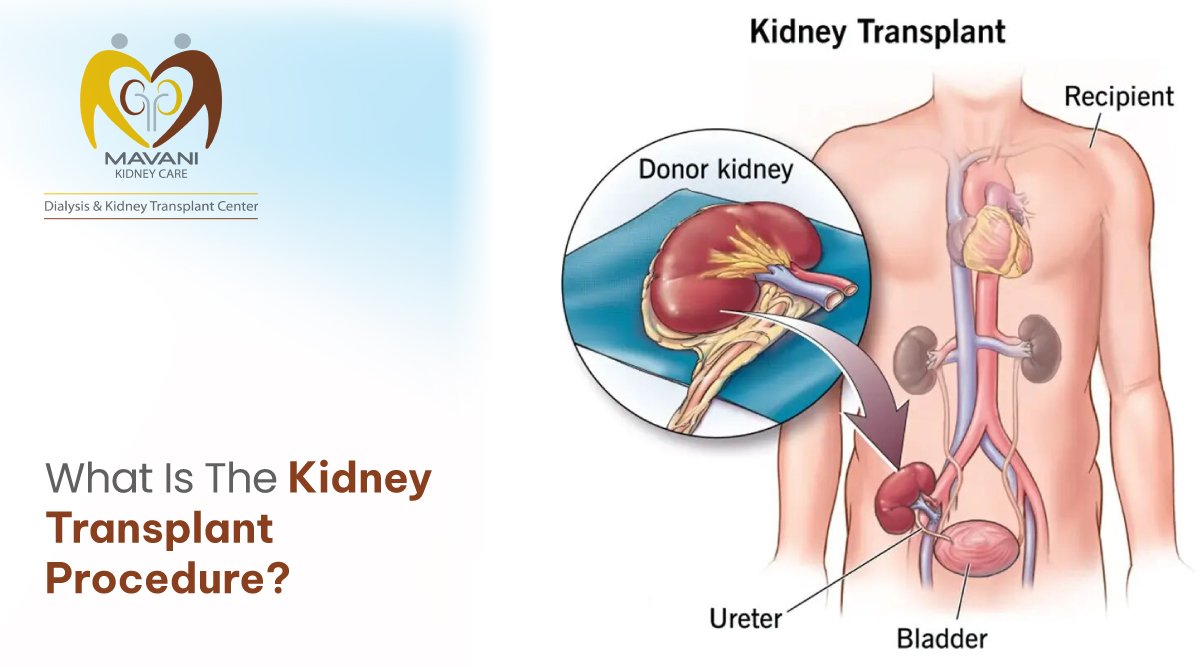
A kidney transplant is the surgical placement of a healthy donor kidney into someone who has little or no kidney function. The new kidney does the work of filtering waste, balancing fluids, and keeps you healthy.
Why Do People Need a Kidney Transplant?
Kidney failure doesn’t happen overnight. It’s typically a slow-growing cancer and can be due to things such as :
- Long-standing diabetes
- High blood pressure
- Chronic kidney disease
- Genetic kidney disorders
- Severe kidney infections
Your life is prolonged with dialysis, but a successful kidney transplant can prolong it.
Let’s Talk Donors (Because This Part Matters)
Two types of donors can provide a kidney :
1. Living Donor
It might be a family member, a spouse, or even an adult close friend who is medically viable. Living donor transplants typically result in better long-term outcomes.
2. Deceased Donor
These kidneys are from people who have died but had agreed to donate their organs. Patients are waitlisted until a matched donor becomes available.
Doctors try to match donors and recipients according to blood type, tissue compatibility and overall health in part to limit the possibility of rejection.
The Kidney Transplant Procedure
Let’s run through what really occurs.
Step 1: Pre-Transplant Evaluation
A general physical examination is conducted before surgery. That includes blood testing, a heart checkup, scans that provide an image of the inside and tests for infection. Doctors also verify that the body can endure surgery and the prolonged use of drugs.
Step 2: Getting Ready for the Operation
A compatible kidney is arranged, and an operation is scheduled. The patient is admitted, asked not to eat, and final tests are conducted to ensure everything is in place.
Step 3: The Surgery Itself
The kidney transplant operation generally lasts about 3–4 hours. The new kidney is placed in the lower abdomen, blood vessels are attached, and the ureter is attached to the bladder.
For most patients, the recovery speed at which the new kidney starts to work is surprising, sometimes even upon leaving the operating room.
Step 4: Hospital Recovery
On average, patients are hospitalised for 7–10 days. During that period, doctors monitor how well the kidneys are working, fluid balance and signs of rejection or infection.
Life After Transplant: What Changes and What Doesn’t
A transplant is transformative, but not “set it and forget it.”
Drugs are Your New Friends
It has to take anti-rejection drugs every day exactly as directed. They can prevent the immune system from rejecting the transplanted kidney.
Regular Follow-Ups Are Non-Negotiable
Regular blood tests and doctor visits are required, especially in the first year.
Diet and Lifestyle Still Matter
A healthful diet, plenty of water, not smoking and keeping blood pressure and sugar levels in check also help to shield the transplanted kidney.
Is a Kidney Transplant Safe?
With the evolution of the art and science of surgery, as well as experienced teams transplanting kidneys in hospitals today, kidney transplantation is now considered safe and successful. In the same way, there are risks with any major operation, but with experienced surgeons and close postoperative follow-up, complications are minimal.
That’s why it is important to choose a reputable centre such as Mavani Kidney Care for a kidney transplant.
Final Thoughts
A Kidney Transplant may seem overwhelming, but learning more about the process can help to ease some of the anxiety and uncertainty. With the proper medical staff, guidance and long-term dedication to post-transplant care, many have gone on to lead full lives.
If you are thinking of a transplant for yourself or a loved one, honest discussions with an experienced specialist and the right centre can really matter.
A new kidney is more than an organ: It’s a second shot at a meaningful life.