Nobody plans for kidney failure. One day the reports come back bad, the doctor starts using words like “stage 5” and “renal replacement", and you’re left with a choice you never expected to make. Dialysis or a transplant? The two get compared a lot, but they’re different in almost every way that matters day to day. If you or someone you love is looking at Kidney Dialysis Treatment in Ahmedabad, here’s a plain look at both, so your conversation with the nephrologist goes further.
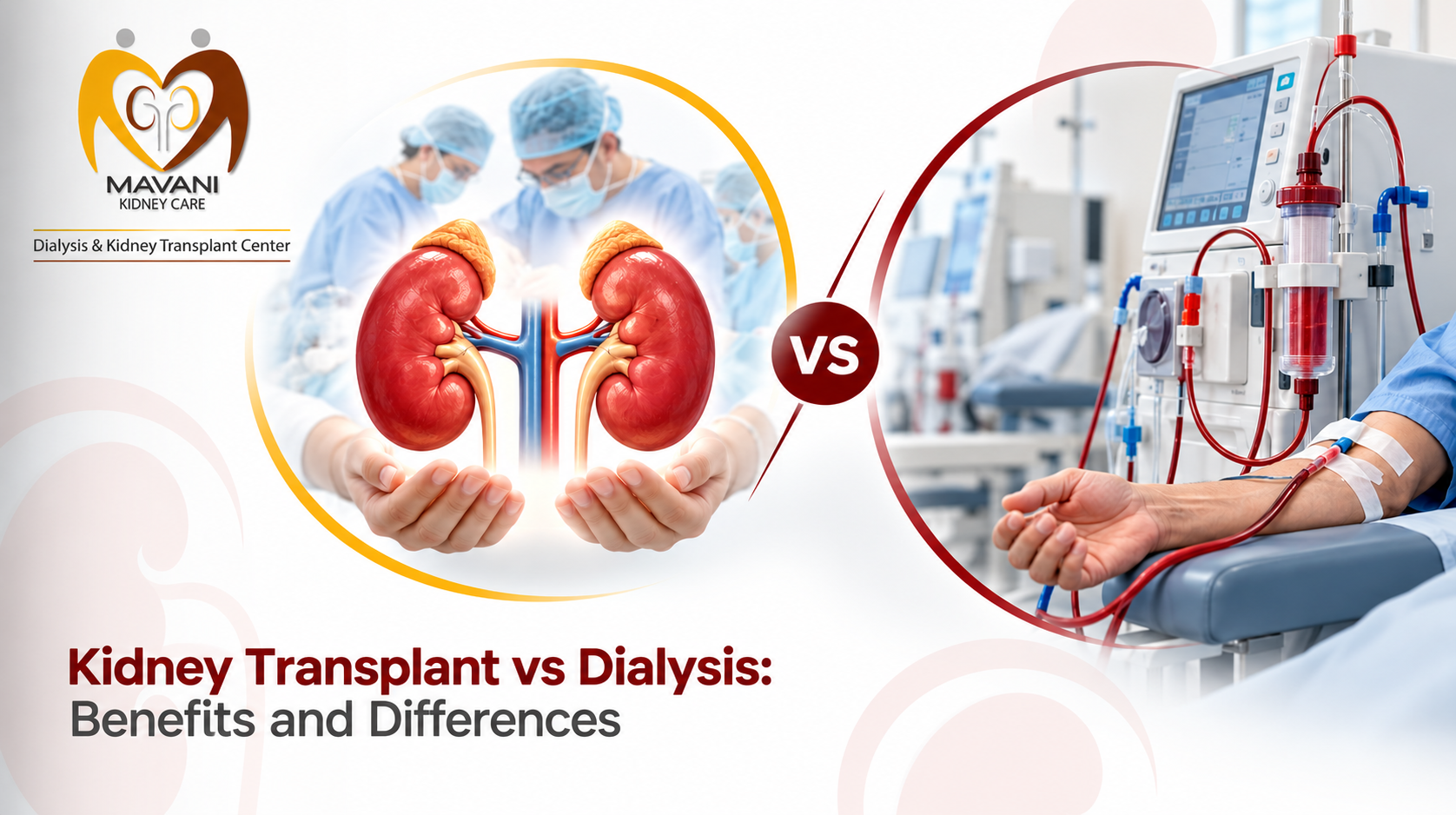
Kidney Transplant vs Dialysis: What Is the Difference?
Here’s the simplest way to see it. Dialysis is a treatment you keep going back to. A transplant is a surgery you have once, followed by a lot of looking after.
When kidneys fail, waste and extra fluid have nowhere to go. Dialysis does the cleaning for them from outside the body. A transplant puts in a donated kidney that does the job on its own.
| Factor | Dialysis | Kidney Transplant |
|---|---|---|
| What happens | Blood is cleaned, and extra fluid is drawn off on a set schedule | A donor kidney works inside your body |
| Time commitment | Regular sessions, or a routine done at home | Surgery once, then check-ups for life |
| Hospital visits | Often frequent, depending on the type | Close follow-up at first, then regular visits |
| Medicines | For kidney disease and its complications | Anti-rejection tablets every day, for life |
| Donor needed | No | Yes |
| Who it suits | Many people with kidney failure | People fit enough for surgery who qualify |
Neither one wins outright. Your health, your work, your family situation, and your own comfort level all count.
What Is Dialysis and How Does It Help?
Dialysis steps in when your kidneys can’t clear waste and fluid anymore. It also helps keep certain blood salts, called electrolytes, in balance, along with some other problems that come with kidney failure.
It comes in two forms. With hemodialysis, your blood goes through a machine that filters it and then returns it to you. Most people go three times a week, though your doctor sets the schedule. Peritoneal dialysis works from the inside. A special fluid is run into your abdomen through a tube, the abdominal lining filters waste into it, and the fluid is later drained away.
Benefits of Dialysis
It keeps you stable. Swelling, breathlessness, and tiredness from fluid and waste build-up often ease. It’s also the only option for people who can’t have a transplant, and for those waiting for a donor, it carries them until a kidney comes along.
What it asks in return is time and discipline. Sessions are regular, and some people feel wiped out afterwards or notice blood pressure swings. Your diet, fluid limits, and medicines need to stay on track, even on days you’d rather they didn’t.
What Is a Kidney Transplant?
A transplant means a healthy kidney from a living or deceased donor is placed in your body. It then takes on much of what your own kidneys no longer can.
Doctors don’t offer it to everyone. They’ll check your heart, look for infections, review any other illnesses, and ask whether you can manage lifelong treatment afterwards. That last part matters more than people expect.
Benefits of a Kidney Transplant
For people who qualify, life often feels bigger afterwards. You’re no longer planning around dialysis days. Food and fluid rules usually relax, though not always completely. And over the long term, results tend to be better than staying on dialysis.
It isn’t risk-free, though. Surgery can have complications, the body can reject the new kidney, and the medicines that prevent rejection weaken the immune system, so infections become a concern. A transplanted kidney also doesn’t always last a lifetime. Some people need dialysis again down the road.
Which Is Better: Kidney Transplant or Dialysis?
Honestly, that depends on you. Your overall condition and your eligibility decide most of it.
A transplant makes sense when kidney failure is advanced, you’re fit for surgery, and a suitable donor kidney is available. Dialysis is the answer when surgery isn’t possible, when you’re still waiting for a donor, or when your condition needs it right now.
The route can also vary. Some people go on dialysis first and receive a transplant later. Others get a pre-emptive transplant before dialysis is ever needed.
Ask your nephrologist about benefits, risks, waiting times, costs, and long-term care for your own case. A general answer from the internet, including this one, won’t replace that.
How Can You Make the Right Treatment Decision?
It’s a lot to take in, and feeling overwhelmed is completely normal. Writing your questions down before the appointment helps. Do I qualify for a transplant? Which kind of dialysis would suit my health and routine? What will it all cost, and what follow-up will I need? Will I have diet or fluid limits? How much support will my family need to give?
One thing shouldn’t wait, though. If your doctor has prescribed dialysis, don’t hold it back while you explore transplant options. Putting off treatment when the kidneys are failing can lead to serious complications.
At Mavani Kidney Care , you can get advice on kidney health, dialysis, and what's next. If you need Dialysis Treatment in Ahmedabad, call 92750 09009 to ask about a consultation and talk over the options that fit your situation.
Frequently Asked Questions
For many eligible patients, yes. Quality of life and long-term results are often better. But it means surgery, finding a donor, and taking anti-rejection medicines for life. Many people still rely on dialysis.
There’s no single answer. It depends on age, other health conditions, and how closely treatment is followed. Plenty of people live for many years on dialysis with good care.
Yes. If you’re eligible, a pre-emptive transplant is possible before dialysis starts, as long as a donor and a timely evaluation are available.
Usually not once the new kidney is working well. Some people need it for a short time if the kidney is slow to start or something goes wrong.
A nephrologist can assess your kidney function and tell you what dialysis you need and whether you’re a transplant candidate. At Mavani Kidney Care, call 92750 09009 to ask about a consultation.