Kidney stones are a frequent urinary problem in people of all ages. Many patients think it is time to visit a Kidney Stone Treatment in Ahmedabad when they face a situation of sudden back pain or have issues while peeing. A kidney stone develops when minerals and salts, most commonly calcium oxalate, in the urine bond and form a firm deposit in the kidney. Some stones can be passed spontaneously, while others may require surgical or medical intervention. Learning about early symptoms, causes, and treatment can lead to prevention or early intervention.
What Is a Kidney Stone?
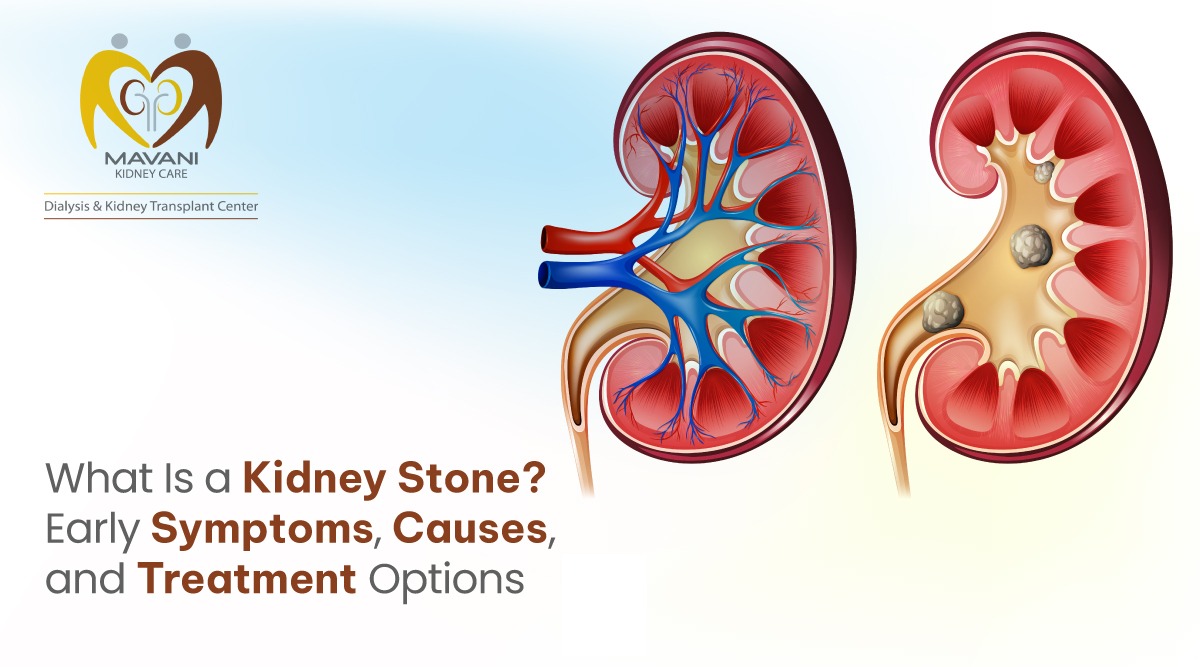
A kidney stone is a small, tough mineral crystal that forms from the accumulation of waste products and chemicals in your urine. Under normal circumstances, urine is full of chemicals that discourage crystals from taking shape. However, the imbalance in the proportion of fluid and minerals can lead to the formation of stones.
Kidney stones come in all sizes. Some are as small as grains of sand, while others can grow to the size of a pebble that blocks urine flow in the urinary tract. The pain typically starts when the stone has left the kidney and enters the ureter (the tube that carries urine to the bladder).
Early Symptoms of Kidney Stones
Knowing about the symptoms can be a boon in avoiding severe pain. Symptoms of kidney stones. Initially, kidney stones may not produce any overt symptoms. Symptoms frequently occur as the stone begins to move.
Common early symptoms include :
- Pain in your back or side, just below the ribs
- Cloudy or foul-smelling urine
- Pain that comes in waves
- Burning sensation while passing urine
- Nausea or vomiting
- Frequent urge to urinate
- Urine that is pink, red, or brown (blood in urine)
- Low-grade fever or chills (if infected)
They say kidney stone pain is one of the most severe types of pain. It can radiate to the back, lower abdomen, and groin as the stone migrates.
What Causes Kidney Stones?
In most cases, the cause of kidney stones is the role of multiple dietary, lifestyle and medical factors. Knowing what causes them can help cut your risk.
Not Drinking Enough Water
Dehydration is the leading cause of kidney stones. When you are not drinking enough water, urine becomes concentrated, and minerals can crystallise.
High Salt Intake
Excessive salt consumption raises the amount of calcium in urine, where stones begin.
Diet High in Oxalate
Oxalates are found in foods, such as spinach, chocolate, nuts and tea. Oxalate can combine with calcium and form stones.
Family History
If you have a family history of kidney stones, there’s an increased chance you could develop them.
Certain Medical Conditions
Increased risk may develop in association with :
- Recurrent urinary infections
- Obesity
- Gout
- Hyperparathyroidism
- Digestive disorders
Some Medications
Long-term usage of certain supplements or medicines, particularly excessive calcium or vitamin D, might contribute to the formation of stones.
Types of Kidney Stones
Not all kidney stones are identical. The treatment options vary depending on the type of stone.
Calcium Stones
These are the most common. They are generally made of calcium oxalate.
Uric Acid Stones
These develop when urine is too acidic and are more frequent in those who consume high-protein diets.
Struvite Stones
Frequently associated with UTIs.
Cystine Stones
These are uncommon and often inherited.
When Should You See a Doctor?
If you notice, then please consult a doctor if you experience :
- Severe or persistent pain
- Blood in urine
- Fever with urinary symptoms
- Difficulty passing urine
- Repeated vomiting
Early diagnosis allows us to determine if you only require basic care or whether kidney stone treatment is required.
How Kidney Stones Are Diagnosed
Clinicians rely on a mix of history, physical exam and testing.
Common diagnostic methods include :
- Urine test for infection or crystals
- Kidney function blood tests
- Ultrasound of the abdomen
- CT scan for detailed imaging
- X-ray in selected cases
These tests can help identify the size of the stone, where it is located and what treatment is most appropriate.
Treatment Options for Kidney Stones
Treatment depends primarily on the size of the stone, but also on various other factors such as the presence of symptoms and whether there is concurrent blockage or infection.
Conservative (Non-Surgical) Treatment
Small stones often pass naturally.
Typical management includes :
- Drinking plenty of fluids
- Pain relief medicines
- Medicines to relax the ureter
- Dietary advice
Medical Procedures
If the stone is large or not moving, treatments may be necessary.
Shock Wave Lithotripsy (SWL)
Sound waves are aimed at the stone, breaking it into smaller pieces that will pass through your urinary system with urine.
Ureteroscopy (URS)
We run a slim scope through the urinary tract to extract or fragment the stone.
Percutaneous Nephrolithotomy (PCNL)
Used for very large stones. The stone was taken out through a small incision on the back. Surgical approach can be carried out based on size, location and condition of the patient.
Can Kidney Stones Be Prevented?
Yes, many kidney stones can be a group of minerals that are part and parcel with our lifestyle.
Helpful prevention tips :
- Drink 2.5-3 litres of water a day
- Reduce salt intake
- Reduce too much tea, chocolate and nuts
- Maintain a healthy body weight
- Adhere to a Stone-Avoidance diet if you've had stones in the past
- Do not take calcium supplements without first talking to your doctor.
Individuals with recurring stones may undergo a metabolic examination.
Living With Kidney Stone Risk
One kidney stone boosts the risk of another. Integration of ongoing follow-up and lifestyle care is crucial. Most individuals perform well if they stay hydrated and adhere to the physician's advice.
Prior knowledge, timely diagnosis and the right Kidney stone treatment can help avoid complications like infection or kidney damage. To know more, visit Mavani Kidney Care.